
Katy · Tree maintenance programs
Katy tree maintenance programs for growing communities
A Katy community’s trees were often planted in a few big batches, and they keep growing on the same schedule. A maintenance program spreads the work over years so it never all comes due at once.
Why Katy communities benefit from a program
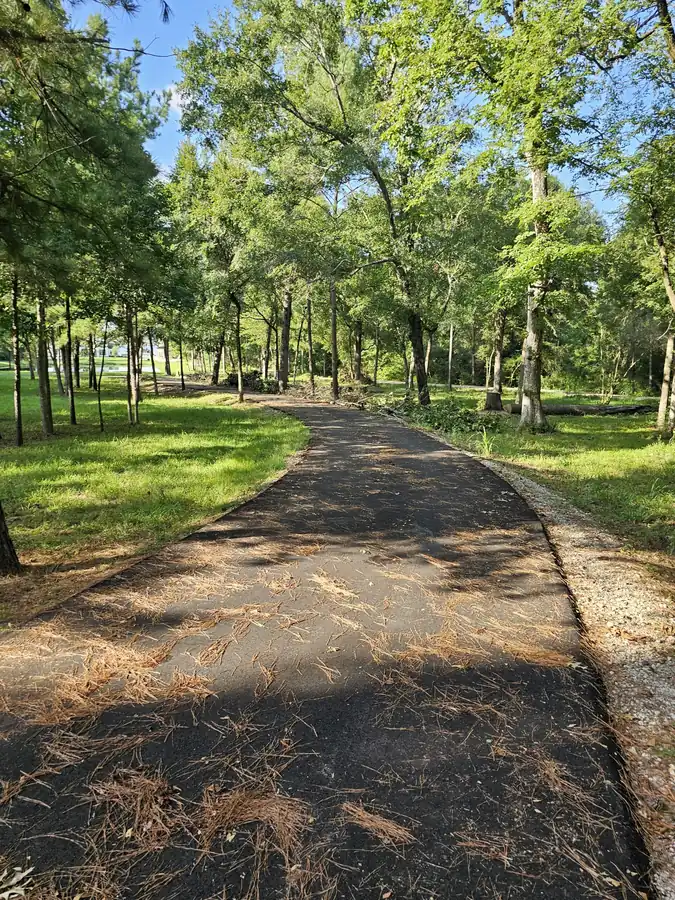
Master-planned sections in the Katy area tend to open one at a time, with entry trees, street trees and greenbelt plantings going in together. Years later, all those trees hit the same growth stage. Without a plan, the association ends up with a sudden list of low limbs, crowded crowns and storm damage, and a budget that was never set up for it.
A maintenance program fixes that by dividing the property into zones and putting each zone on a cycle. Some zones get structural pruning while trees are young. Others move to clearance and deadwood work as trees mature. The board knows ahead of time what each year will cost.
Katy’s prairie clay adds a second reason. Trees on that soil swing between wet stress and drought stress, and regular visits catch decline early, while there are still options.
What a Katy program includes
A tree inventory
We record the trees on the common areas by zone, with species, size, condition and any risk notes. For larger properties, the inventory can be sorted by priority. The method is described on tree inventory and risk assessment.
A pruning cycle by zone
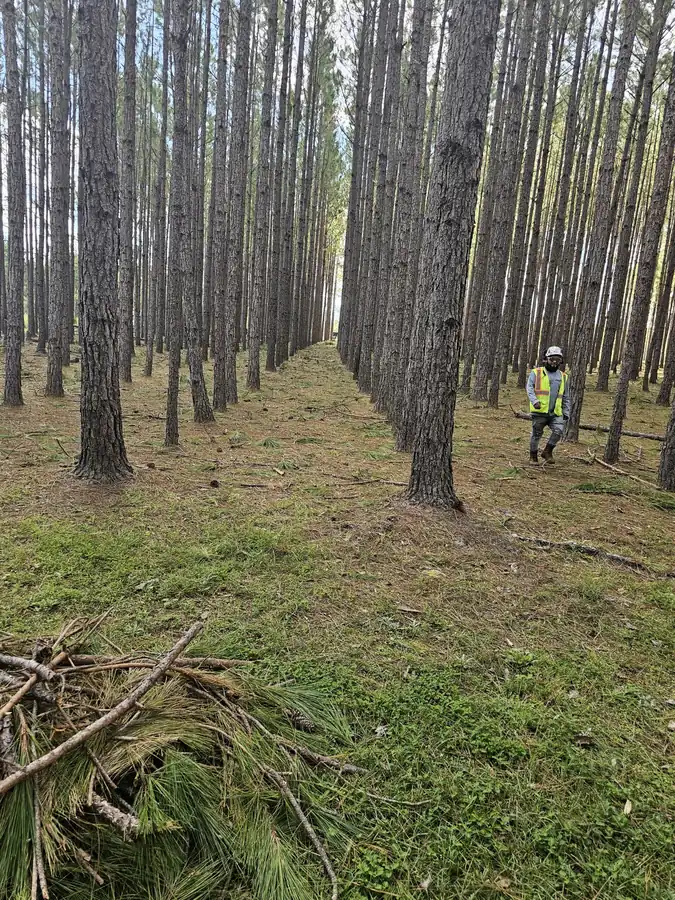
Young plantings at newer sections, mature canopy at older entries, pine rows along ponds and crape myrtles in medians each get a cycle that suits them. The reasoning behind cycle length is on pruning cycles and standards.
A seasonal calendar
Oak pruning stays outside February through June, as Texas A&M Forest Service advises. Storm prep comes before hurricane season. Pine checks follow dry spells. Our Houston seasonal calendar lays out the year, and it applies to Katy too.
Health checks
Each cycle includes a look for root stress, pests and disease, with findings handed to Katy plant health care when they need follow-up.
Board reporting and budgets
We provide yearly scopes and costs that fit an annual budget and reserve study. More on that is in budgeting and board reporting.
Storm readiness as part of the program
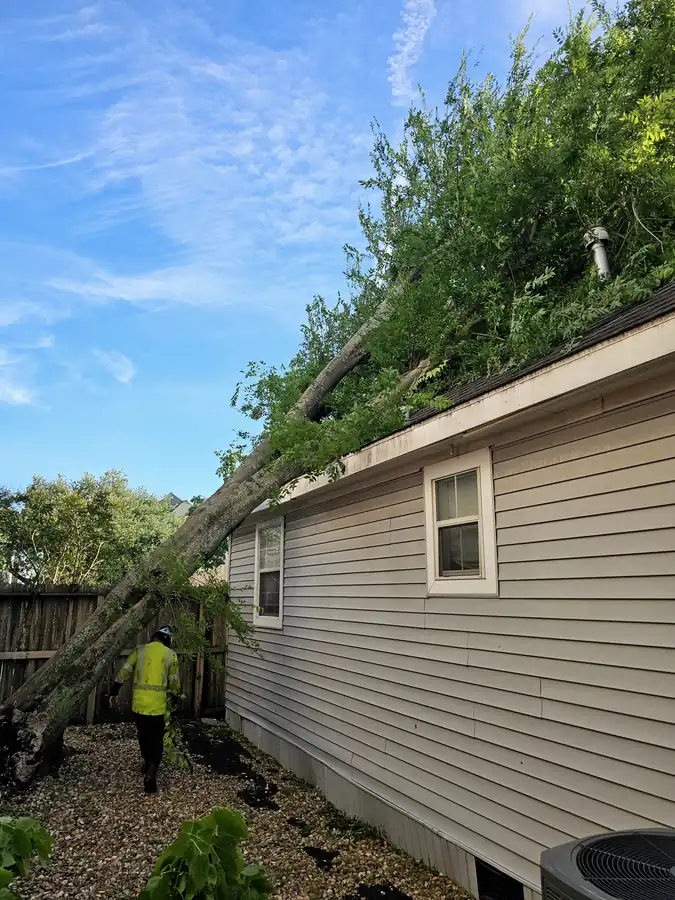
Katy has seen Harvey’s flooding upstream of Barker Reservoir in 2017 and Beryl’s wind damage in 2024. A program puts the trees most likely to cause trouble in a storm at the front of the line: dead limbs over homes and walks, split trunks, and trees with a lean that is getting worse. It also keeps a current map of the common areas, which helps when the association needs storm cleanup fast. Our page on Katy emergency tree removal covers the response side.
Local rules
Inside the City of Katy, trees on public rights-of-way, parks and easements are managed by the public works director under the city’s Code of Ordinances, so a program that includes street frontage inside city limits notes which trees need city approval. In unincorporated Katy, the program follows the HOA’s covenants and any county right-of-way rules for the roads that border the community. We found no City of Katy clearance height for streets or sidewalks, so each program states its own target heights for the board to approve.

What we scope on Katy properties
A maintenance program scope for a Katy property includes:
- A zone map of the common areas: entries, streets, parks, ponds, amenity centers and greenbelts.
- Every tree in each zone, with its current condition.
- The work in each zone for each year of the cycle.
- Access and resident notice needs, such as pool closures or parking moves.
- Cleanup standards for every visit.
- A schedule that respects the oak pruning window and hurricane season.
- A price for each zone and each year.
Each visit closes with a walkthrough with the manager or a board member. Our head foreman leads the program. The company-wide approach is on our tree maintenance programs page. To start a Katy program, request a bid.
[1] Source in references below
Frequently asked questions
How long is a typical Katy maintenance cycle?
It depends on the zone. Young plantings need more frequent light pruning, while mature canopy can go longer between visits. Each zone’s cycle is written into the program.
Our Katy community is only a few years old. Do we need a program yet?
Young trees are the cheapest to train. Structural pruning now prevents expensive corrections and storm failures later, so starting early can lower long-term costs.
Can a program cover trees the MUD owns too?
If the MUD’s board agrees, yes. We list MUD trees as their own zone with their own price so each entity pays only for its trees.
How does a program help after a hurricane?
A current tree map and condition notes let us find and clear the worst problems first, and they give your insurer a record of the trees before the storm.
References
Related reading
Request a bid