
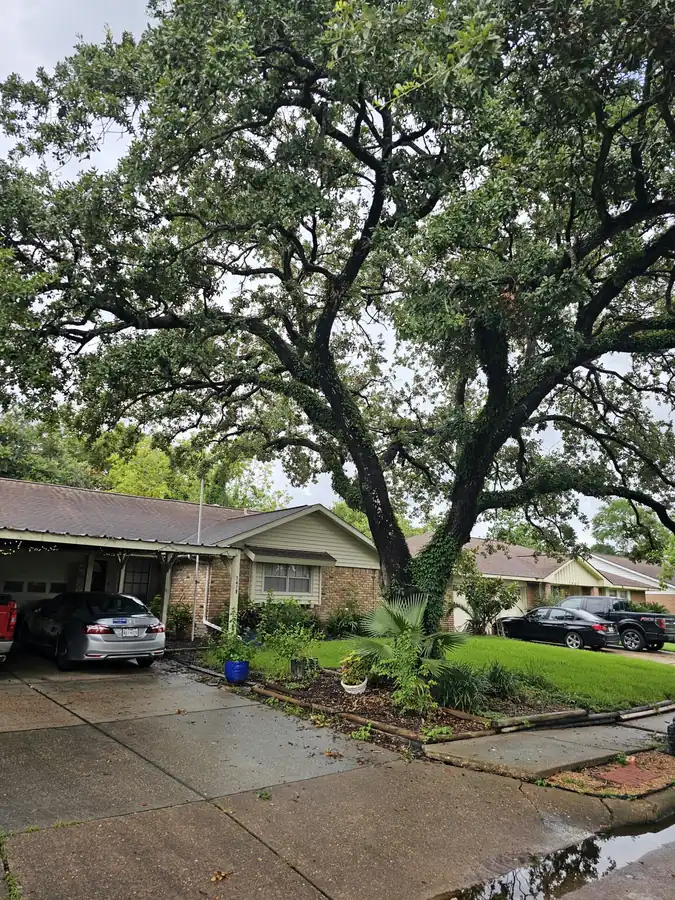
Service · Tree maintenance programs
Yearly tree maintenance programs for Houston HOAs and commercial properties
A yearly program replaces complaint calls and storm surprises with a plan: every common area tree on a map, risks reviewed, pruning on a cycle and a budget the board can approve once a year.
What a yearly tree program is
A yearly tree maintenance program is a written plan for every tree a property is responsible for. Instead of calling a crew when a resident complains or a limb falls, the owner or board approves a plan that covers:
- An inventory of the trees, mapped by zone.
- A review of which trees pose the most risk.
- Pruning on a cycle, so each zone gets attention on a schedule.
- Young-tree care, so new plantings grow into strong trees.
- Storm preparation before hurricane season.
- Reports that show what was done, what is open and what comes next.
Strong Tree Service plans and quotes maintenance programs for HOAs and commercial properties. The exact contents of each program are set with the client at the site walk, and the program details are being finalized with the owner, so ask what fits your property.

Why a program costs less than reacting
Trees that are pruned on a cycle need smaller cuts, which are cheaper and better for the tree. Defects found early can be fixed with pruning instead of removal. Work planned in winter can be done on a normal schedule instead of at storm rates. And a board that sees the same budget line each year can plan for it instead of draining a reserve after a storm. After Hurricane Beryl in 2024, Texas A&M Forest Service estimated that about half of Houston-area urban trees were affected, as reported by Texas A&M AgriLife Today. A program cannot stop a hurricane, but it does find the dead limbs and weak trees before the wind does.
Step 1: tree inventory
The program starts with a list. Each tree in scope is located on a map and recorded with its species, approximate trunk diameter, condition, any defects, what it could hit, the recommended work and a priority. The inventory becomes the base for every later decision. The tree inventory and risk assessment page explains what is collected and why.
Step 2: risk review
Not every tree needs the same attention. Trees near buildings, parking, roads, play areas and gathering places get a closer look.
Strong Tree Service’s risk reviews are led by the head foreman. The review produces a priority list, so the most urgent work happens first.
Step 3: pruning on a cycle
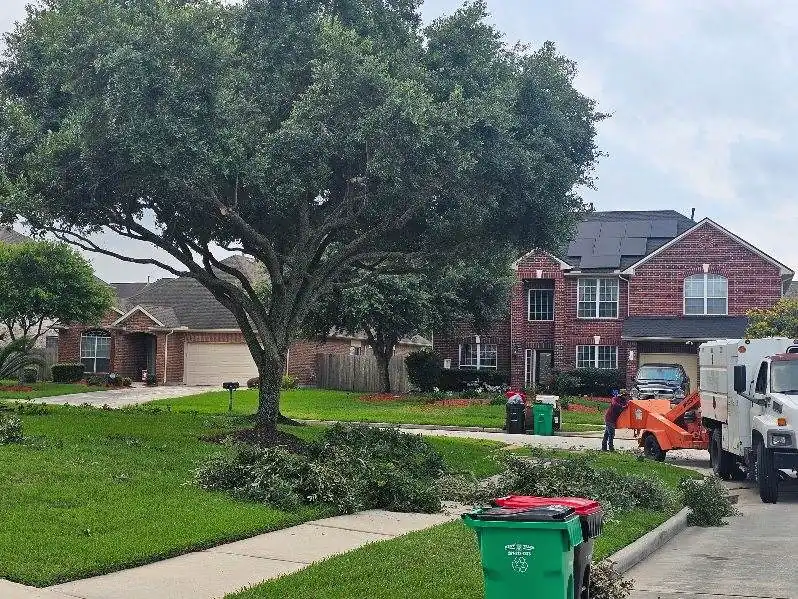
Trees are grouped into zones, and each zone is pruned in rotation. Research on urban street trees supports about a five-year cycle for mature trees, with shorter cycles for young trees.
All pruning follows ANSI A300 Part 1, with a stated objective and amount for each zone. The pruning cycles and standards page covers how often and how much.
Step 4: a budget by zone
A program is easier to approve when the cost is laid out by zone and by year. Typical zones on an HOA are the entrance, perimeter, parks, streets, ponds and drainage, and the amenity center. Each zone gets lines for cycle pruning, risk work, removals, stump grinding and planting, plus an emergency reserve line. Because the cycle spreads the work out, each year’s total stays fairly level. See budgeting and board reporting for how to present it.
Step 5: a Houston seasonal calendar
Gulf Coast weather and Texas rules shape when work happens:
| Months | What to plan |
|---|---|
| December to January | Oak pruning in cold weather, inventory updates, budget adoption |
| February to June | No oak pruning except for safety; work on other species |
| May | Pre-hurricane walk-through and storm plan |
| June to November | Hurricane season; emergency authorization ready |
| July to August | Oak pruning in summer heat; young-tree watering checks |
| October to November | Season review and next year’s proposal |
The full month-by-month plan is on the Houston seasonal calendar page.
Step 6: reports to the board
The program should report back in a form the board can use: work done by zone, a map, open and closed risk items, costs against budget and the plan for the next period. Timing the yearly report before the budget meeting lets the board approve next year’s tree line with the facts in hand. In Texas, an HOA’s annual budget must be approved at a noticed open meeting under Texas Property Code 209.0051.
What to ask for in a maintenance program bid
- How the inventory will be collected and delivered.
- Who reviews tree risk, and what credential they hold.
- The pruning objective and amount for each zone, in ANSI A300 terms.
- The cycle length and which zones are worked in which year.
- How storm prep and emergency work fit in.
- What the reports contain and when they arrive.
- Line-item prices by zone and by year.
The how to read a tree bid page has a full checklist.
How Strong Tree Service scopes a program
It starts with a site walk. You then get a written, itemized scope by work zone: the trees, the work on each, access, cleanup, stump depth for removals, the schedule and the price. Each work day follows the scope, and each visit ends with cleanup and a final walkthrough with your contact. HOA boards will find the association side of this on HOA tree maintenance. For storm readiness as part of a program, see hurricane season prep. Programs often include disease and pest monitoring, covered on plant health care. When you are ready, request a bid.
Who leads the program
Safety and training credentials are available on request. The crew has about 15 years in the field, including work for national tree care firms. A certificate of insurance and a W-9 are sent on request. Strong Tree Service works across Houston, Katy, Spring, Sugar Land and The Woodlands.
[1] Source in references below
[2] Source in references below
[3] Source in references below
[4] Source in references below
[5] Source in references below
Frequently asked questions
How often should community trees be pruned?
Many urban forestry programs use about a five-year cycle for mature trees, with shorter cycles for young trees. That figure comes from a Milwaukee street tree study and UMass Extension guidance, so the cycle for your site should be set from your own inventory.
When should oaks be pruned in the Houston area?
Texas A&M Forest Service advises avoiding oak pruning from February through June because of oak wilt. Prune oaks in the heat of summer or the cold of winter, and paint every wound.
What is a tree risk assessment?
It is a structured way to judge how likely a tree or a part of it is to fail, what it could hit and how serious that would be. ANSI A300 Part 9 is the national standard for it. Our reviews are led by our head foreman.
Can a tree program prevent storm damage?
It lowers risk by finding defects and pruning on a cycle, but no program can guarantee a tree will not fail. After Hurricane Beryl, Texas A&M Forest Service estimated about half of Houston-area urban trees were affected.
Does our HOA need bids for a tree contract?
Under Texas Property Code 209.0052, an association contracting for services over $50,000 must use a bid process it sets up. A multi-year program for a large community can cross that line, so ask your attorney how your documents apply.
References
Go deeper
Related reading
 HOA · Tree maintenanceHOA tree maintenance in Greater Houston: common area programs your board can approve
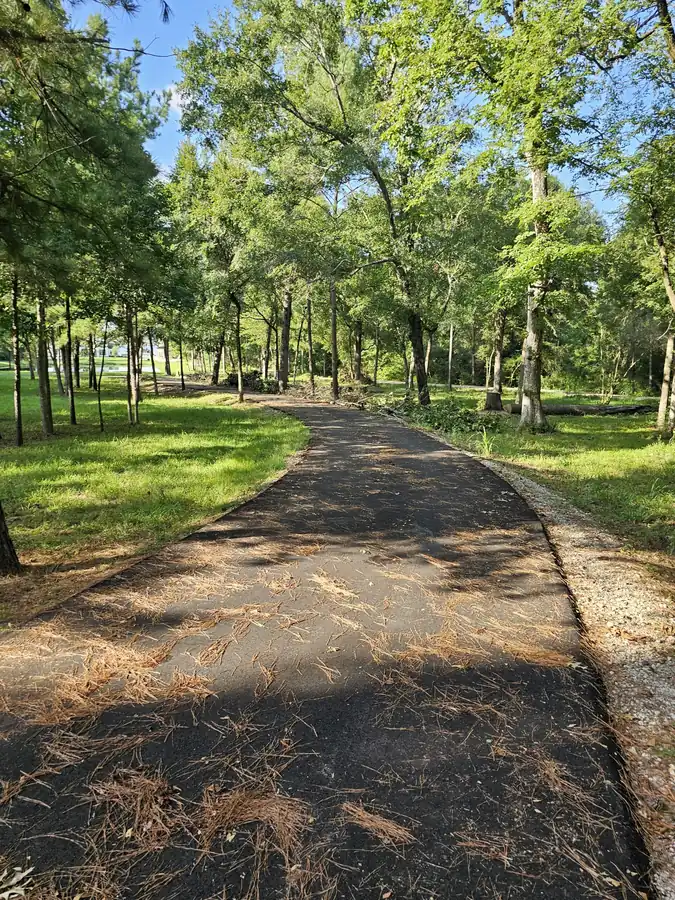 Maintenance · Pruning cyclesPruning cycles and ANSI A300 pruning for community and commercial trees
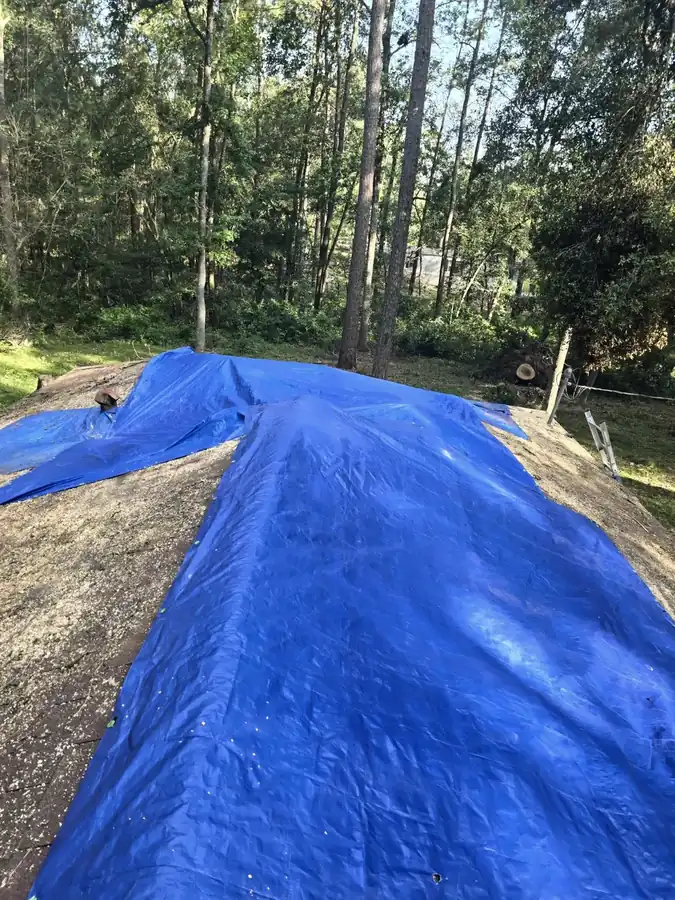 Emergency · Hurricane prepHurricane season tree prep for Houston HOAs and commercial properties
Request a bid